30–90 days
Early movement
Early movement may appear on existing pages that already have some authority and only require clear improvements.
Your products are on the shelves. Your doors are open. But online, your store is dark – and a dark store sells nothing.
Ecommerce SEO is how you turn the lights on.
Volt Studios is a Toronto-based ecommerce SEO agency that helps product and category pages become more visible in search and turns that visibility into measurable business growth.





Reserve Your 30-Minute Ecommerce SEO Roadmap Call








Ecommerce SEO is the process of improving an online store’s product pages, category pages, technical infrastructure and content so the right pages can rank for relevant searches and generate qualified organic traffic and sales. Unlike general SEO, ecommerce SEO operates at catalog scale, often involving hundreds or thousands of URLs, templates, product variations, categories and structured relationships.
Ecommerce SEO is a structured program designed around how your store is built, how your customers search and where your biggest organic growth opportunities exist—starting with a free ecommerce SEO audit.
Most store owners assume the problem is their products, pricing or website design.
Sometimes it is.
But often, the store has a visibility problem.
Your products may exist. Your categories may be well organized for your internal team. Your website may even look great to customers.
That does not automatically mean search engines understand which pages matter, what each page is about or which search queries it should rank for.
Your store is not necessarily broken.
It may simply be dark.
And dark has a cause.
If any of these sound familiar, you are in the right place:
Picture a large retail store at night. The shelves are stocked. The products are ready. The staff are inside. But the lights are off. From the road, it looks closed. Shoppers keep driving.
That is what happens to many ecommerce stores. The products exist, but search engines and potential customers cannot easily find the pages that matter. The problem usually comes from several quiet issues stacking on top of each other.
1. Platform defaults.
Every ecommerce platform ships with SEO settings that are usually functional, but “functional” is not the same as strategically optimized.
2. Thin and duplicate pages.
Manufacturer descriptions, repeated product copy, similar variants and automatically generated pages can make important URLs look interchangeable.
3. Index bloat.
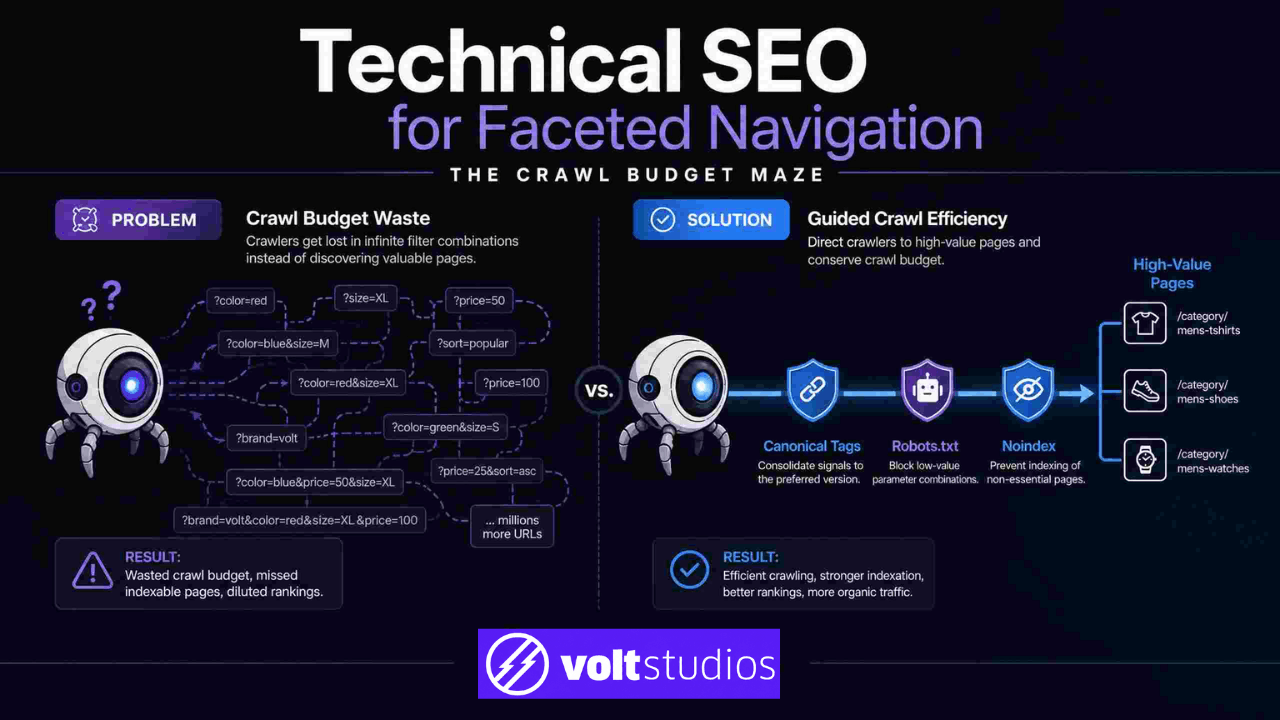
Filtered URLs, parameters, outdated listings and other low-value pages can create unnecessary indexation and crawl problems.
4. Weak Site architecture.
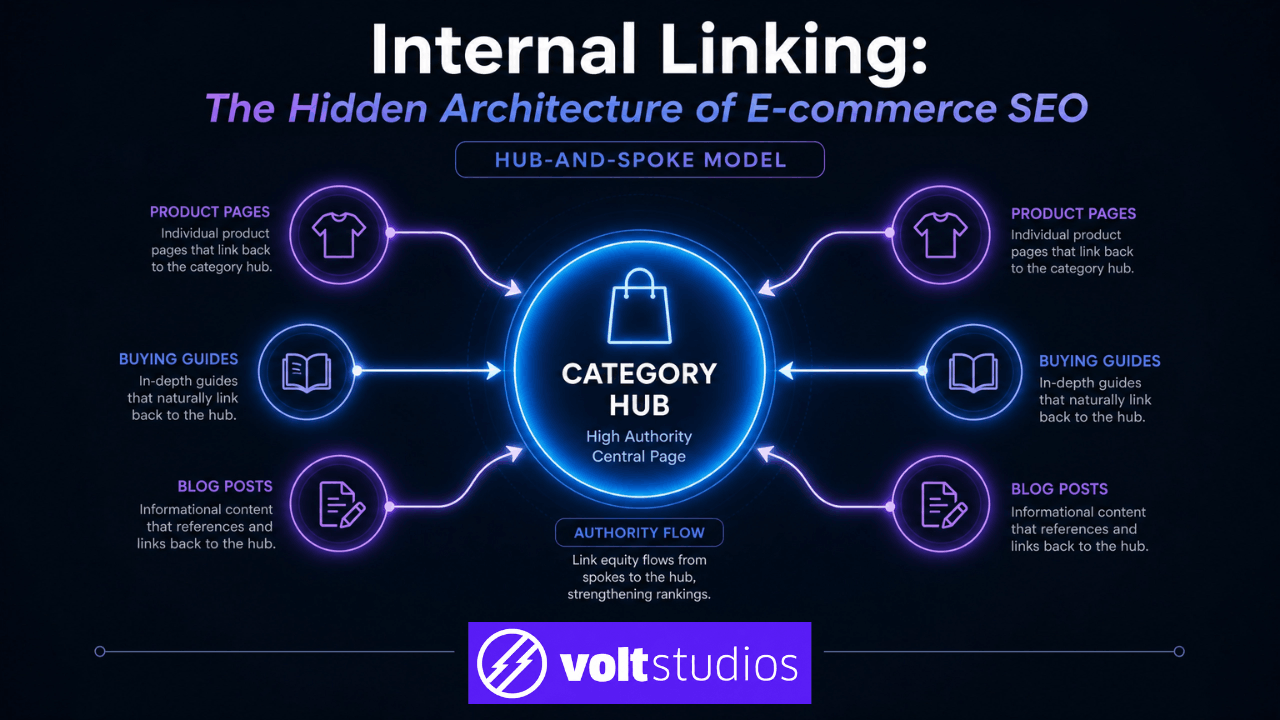
Important categories may sit too deep in the website, while internal links send authority toward pages that have little search value.
5. No Keyword-to-Page map.
When multiple pages target the same search—or no page clearly owns it—search engines have less clarity about which URL should rank.
None of these problems necessarily trigger an alarm.
They simply keep the lights off. Month after month. Search after search. Sale after missed sale.
A dark store is rarely dark for just one reason.
Ecommerce websites create technical SEO challenges that increase as the catalog grows. A small structural issue can affect hundreds of pages. A template problem can multiply across an entire product range. A poorly controlled filtering system can generate thousands of URLs that were never intended to become search landing pages.
A healthy ecommerce website should give search engines clear answers to a few important questions:
When those relationships are unclear, crawl resources can be wasted, duplicate URLs can compete with each other and valuable products may remain buried inside a structure that search engines struggle to interpret.
That is why ecommerce SEO is not simply about adding keywords to product descriptions. It is about building a search-friendly system around the entire catalog.
The architecture matters. The relationships matter. The signals matter. When those signals become clearer, the right pages have a better chance of being discovered, understood and matched with relevant searches.
Every agency can list services. Fewer show you how the work connects.
Our approach has four stages, and you will always know which one your store is in. Each stage produces something tangible: a map, a prioritized fix list, a clearer architecture, improved templates or optimized pages. Progress should not feel like a mystery.
Before we flip a single switch, we walk through the entire store.
You get a clearer picture of where visibility is being lost, which pages are competing against each other and where the strongest opportunities may exist.
This is where the Lights-On Map begins.
This is the work behind the walls. We address the structural and technical issues that affect how search engines access and interpret the store.
Depending on the audit, this may involve:
Much of this work is invisible when done correctly.
That is exactly the point. You should not need to think about the electrical system every time you walk into the store.
Categories and collections are the aisles of your online store.
They often represent some of the most valuable non-branded search opportunities.
We map keywords to pages, improve category architecture, strengthen internal relationships and optimize pages around the search intent they are meant to satisfy.
The goal is to make each important category the obvious destination for the searches it deserves to compete for.
Product pages are where browsers become buyers. At catalog scale, we combine template-level improvements with page-level optimization for priority opportunities.
That can involve:
The objective is not to rewrite thousands of product descriptions one by one without a system. It is to improve the system while giving high-value pages the individual attention they deserve.
Then we keep the lights on. Every month, you see what improved, what we are working on and where the next opportunity exists.
Real ecommerce SEO results depend on the store, competition, platform, starting condition and available search demand. The numbers will change. The method does not.
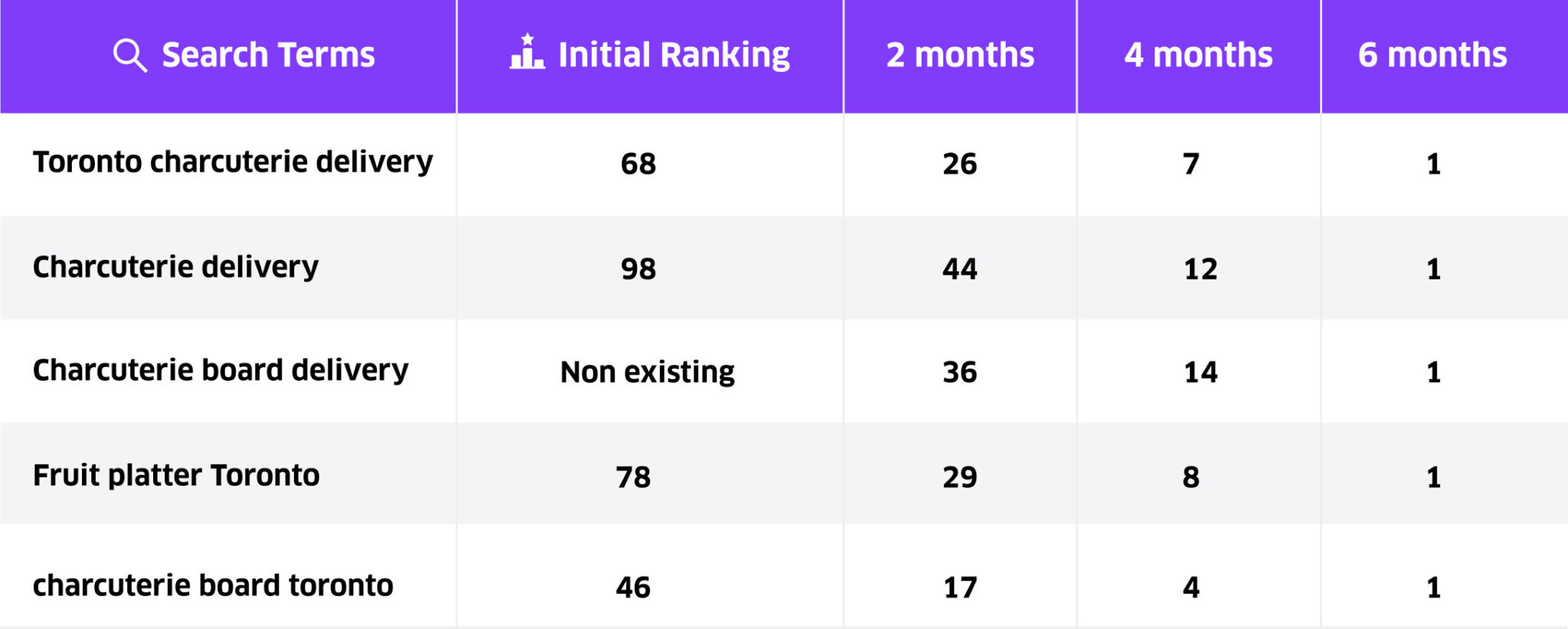
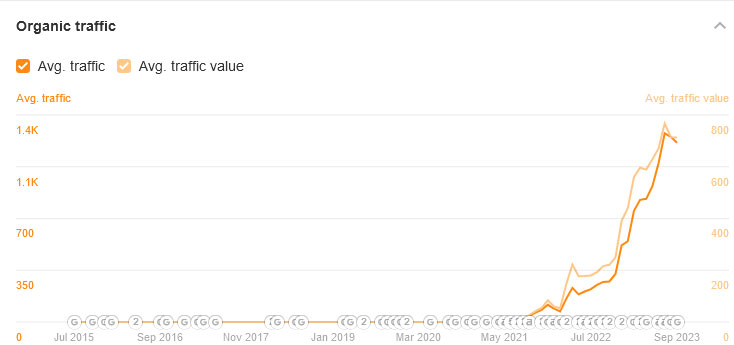
Charcuterie Brand on Shopify ($2M annual revenue).
Ranking for 30 keywords with poor visibility (#12–15 average). CAC had risen to $18 per click while product pages converted at only 2.1%.
We don’t just deliver reports; we deliver measurable increases in organic revenue and conversion rates across Shopify, WooCommerce, and beyond
We do not try to do everything. We focus on the work that helps search engines better understand your store, helps important pages become more competitive and creates a stronger foundation for long-term organic growth.
We review the technical, structural and indexation issues affecting your store and prioritize them based on potential impact.
That can include crawlability, indexation, canonical tags, redirects, XML sitemaps, robots directives, site architecture, rendering and performance.
Not every URL deserves to be indexed. We identify low-value, duplicate and automatically generated pages that may be competing with or distracting from your important pages.
The goal is not simply to remove URLs. It is to create clearer signals around the pages that actually matter.
Every important search needs a logical destination. We map keywords and search intent to the right page type—whether that is a product page, category page, buying guide, comparison page or another supporting asset.
The objective is clarity: One important search opportunity → one clearly relevant page.
Category and collection pages often represent some of the strongest commercial opportunities in an ecommerce website.
We improve keyword targeting, headings, content, internal links, structure and search intent alignment to help these pages become stronger landing pages.
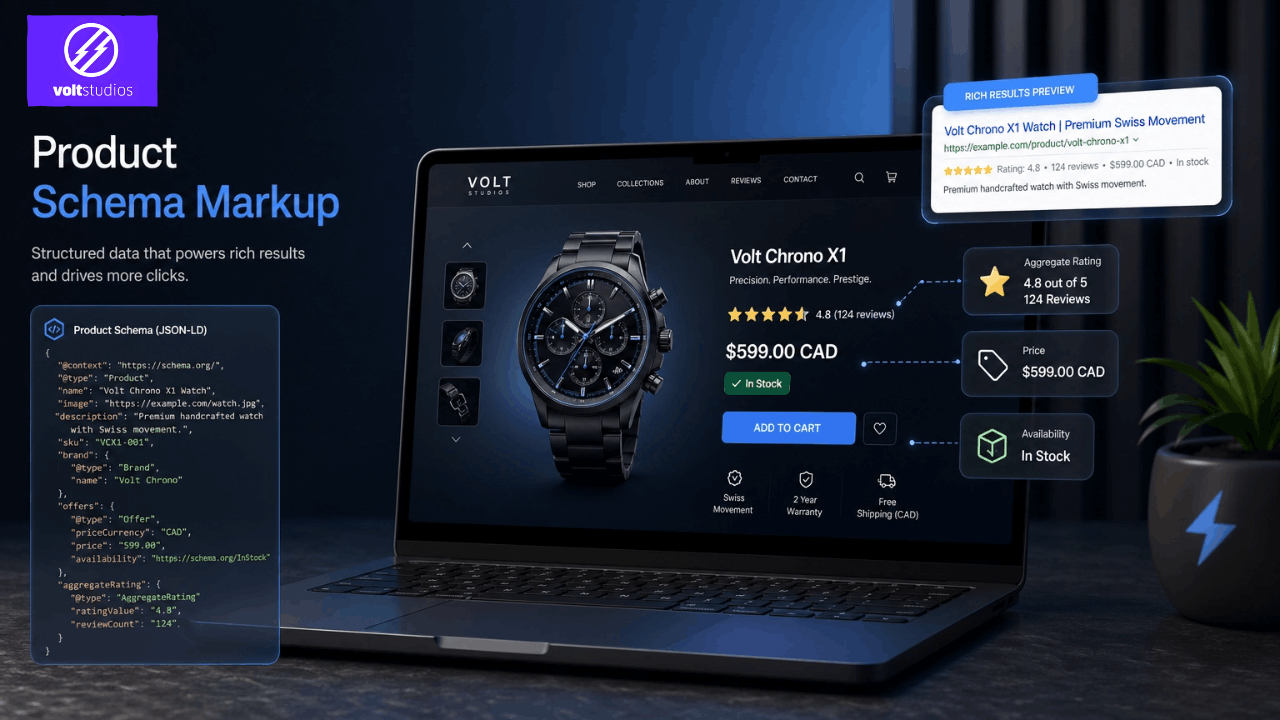
Product pages need to serve both search engines and buyers. We review product content, headings, unique value, structured data, internal links and template-level elements that can be improved across the catalog.
For priority products, we can also apply page-level optimization based on search demand and commercial value.
Filters are useful for customers. They can become problematic when they create thousands of crawlable or indexable URL combinations with little independent search value.
We review filtered pages, parameter URLs and faceted navigation to determine which pages should remain accessible to search engines and which should be controlled.
Not every customer searches for a product name.Some search for comparisons. Others search for alternatives, buying advice, use cases, problems or questions before they are ready to purchase.
We identify supporting content opportunities that connect informational and commercial search intent.
Categories, subcategories, products and supporting content should form a logical hierarchy.
We improve the relationships between important pages so search engines and users can move through the catalog more easily.
Inventory changes. SEO should account for it.
We review products that are temporarily unavailable or permanently discontinued and determine whether pages should remain live, be updated, redirected or removed based on their value and replacement options.
Ecommerce SEO pricing is not determined by a random number of keywords or blog posts. The amount of work depends on the size and complexity of the store.
Most agencies hide pricing until the third call. Here is our starting range in CAD.
Best for Growing catalogs up to approximately 500 products
CAD 2,500/month
Best for Established stores with 500–2,000 products
CAD 3,500/month
Best for Large, complex or multi-market catalogs
CAD 5,000/month
Where you land depends on catalog size, platform, technical debt, competition and the scope of work required. The audit helps determine what makes sense before you commit.
Optimizing a ten-page website and optimizing a store with 5,000 products are two different jobs. A weak category structure can make an entire product range harder to discover. That is why ecommerce SEO needs to operate on two levels.
Where possible, we improve systems that influence multiple pages.
This may include:
One meaningful improvement can affect hundreds of URLs.
Some pages deserve individual attention.
High-value categories, priority products and major revenue opportunities may require dedicated keyword research, content improvements, internal links and search intent analysis.
The goal is to combine scale with precision.
Fix the systems affecting hundreds of pages.
Then go deeper where the commercial opportunity justifies it.
Volt Studios is a Toronto-based, performance-focused SEO agency. We help businesses improve how they are discovered in search and build organic growth around the way real customers search.
For ecommerce stores, that means looking beyond a monthly keyword report. Your product pages, categories, technical infrastructure, internal links and supporting content all exist inside the same system. We work on the relationships between them.
You work with people who understand that rankings are not the final product. Revenue is not the only metric that matters—but it is difficult to call an SEO campaign successful if the business never sees a meaningful commercial outcome.
Running a business with both an ecommerce store and a physical presence? Our Local SEO services can help improve visibility for nearby searches, while ecommerce SEO supports broader product and category demand.
The honest answer is: Faster than some agencies admit & slower than most business owners would prefer.
Early movement may appear on existing pages that already have some authority and only require clear improvements.
More meaningful growth may begin as technical fixes, improved architecture and optimized commercial pages are crawled and evaluated.
Organic visibility can begin compounding as more pages improve, supporting content expands and the website builds stronger topical relationships.
These are not guarantees.
Catalog size, competition, technical condition, search demand and existing authority can move the timeline in either direction.
If someone promises page-one rankings in 30 days without understanding your store, treat that as a sales promise—not an SEO strategy.
Before we decide what to fix, we need to understand where the store is losing visibility. Our ecommerce SEO audit is not simply a list of errors exported from a tool.
It is an investigation into the systems affecting how your store is crawled, indexed, understood and discovered.
1.
Technical SEO and Crawlability
We review how search engines access your website and identify issues that may affect important pages.
This can include Crawl paths, Indexation, Canonicalization, Redirects, XML sitemaps, Robots directives, Duplicate URLs, Parameter pages, Faceted navigation, Site architecture, Internal linking, Rendering and performance.
2.
Product and Category Page Analysis
We examine whether your important commercial pages have a clear search purpose and enough unique value to compete.
That may include Keyword targeting, Search intent, Duplicate content, Thin content, Heading structure, Product descriptions, Category content, Internal links, Structured data and Template limitations.
3.
Keyword and Search Intent Mapping
Not every keyword belongs on a product page. A transactional search may require a product or category page. A comparison search may deserve a comparison page. A pre-purchase question may need a buying guide.
We map search opportunities to the page type most capable of satisfying the searcher.
4.
Competitor and SERP Analysis
We study the stores and pages already visible for searches that matter to your business. We look beyond the keywords.
The analysis considers page type, search intent, content depth, site structure and the relationships between commercial and informational content.
The goal is not to copy competitors. It is to understand the environment your store needs to compete in.
5.
Revenue Opportunity and Prioritization
Not every SEO issue deserves equal attention. The audit prioritizes work based on potential impact.
You see what is technically broken, what is structurally weak, which pages may offer the fastest opportunity and what requires longer-term investment.
The result is your Lights-On Map: a prioritized view of what to fix first, what to improve next and where your strongest organic opportunities may exist.
Ecommerce SEO improves an online store’s technical structure, product pages, category pages and supporting content so the right pages can become more visible for relevant searches. It differs from general SEO because ecommerce websites often operate at catalog scale, involving templates, structured data, product variations, filters and hundreds or thousands of URLs.
Our ecommerce SEO services typically start at $2,500 CAD per month and increase based on catalog size, technical complexity, platform, competition and required scope. Larger or multi-market stores may require a higher investment because the amount of technical and strategic work increases with complexity.
Some established pages may show early movement within 30 to 90 days. More meaningful growth often requires several months, while long-term organic growth can continue compounding over six to twelve months and beyond. Competition, technical debt, catalog size and existing authority all influence the timeline.
We work with Shopify, WooCommerce, BigCommerce and Magento stores. The SEO principles remain consistent, but the technical implementation changes depending on the platform and how the website has been configured.
General SEO may focus on a relatively small number of service or marketing pages. Ecommerce SEO often involves catalog-scale problems such as duplicate product content, faceted navigation, product variants, indexation, category architecture and the relationship between hundreds or thousands of URLs.
An ecommerce SEO audit reviews the systems affecting your store’s visibility. This can include crawlability, indexation, duplicate URLs, canonical tags, redirects, site architecture, category pages, product pages, keyword targeting, search intent, internal linking, structured data and competitor analysis.
The goal is to identify what is limiting growth and prioritize the work based on potential impact.
Ecommerce SEO can increase qualified organic traffic by improving visibility for searches with commercial and transactional intent.
More traffic alone is not the objective.
The goal is to connect the right searcher with the right product, category or supporting page and create a clearer path toward conversion.
Large catalogs require a combination of template-level and page-level optimization.
Template improvements can strengthen elements across many pages at once, including headings, structured data, internal linking and other repeated systems.
High-value products and categories can then receive individual optimization based on search demand, competition and commercial value.
Ecommerce SEO can be valuable when there is meaningful search demand for the products or categories you sell.
Unlike paid advertising, organic visibility does not necessarily disappear when you stop a campaign. However, SEO requires time, technical implementation and ongoing work.
Whether it is worth the investment depends on your margins, competition, search demand and ability to convert organic visitors into customers.
The free ecommerce SEO Consultation is designed to give you a clearer picture of your store before you commit to anything.
We will walk you through the store and will identify the areas affecting visibility. We will show you where the strongest opportunities may exist. And you keep the findings whether you work with us or not.
It’s just a clearer look at what may be keeping your store in the dark—and what it could take to turn the lights on.
Optimize your Shopify store to improve rankings, attract qualified shoppers, and turn organic search into sales.
Strengthen your WooCommerce store’s visibility, technical foundation, and rankings to attract more qualified customers.
Build high-quality, relevant backlinks that strengthen authority, improve rankings, and drive valuable organic traffic.
Build stronger connections between your brand, products, expertise, and digital presence so search engines understand and trust your business.