The Shopify SEO Apps Worth Using in 2026 — and How We Actually Think About the Stack
After implementing these tools across hundreds of GTA stores, here’s what moves the needle and what’s just noise.
There are hundreds of SEO apps in the Shopify App Store. Most of them promise dramatic results. A meaningful number of them deliver very little beyond a basic meta tag editor with a monthly subscription attached.
We’ve implemented SEO app stacks for Shopify merchants across Toronto, Mississauga, Vaughan, and the broader GTA for over a decade. What we’ve learned is that the app itself is rarely the determining factor.
The determining factor is whether the merchant understands what technical gap the app is closing — and whether it’s the right gap to close first. This post is our honest take on what’s actually worth installing in 2026, for which type of store, and in what order.
Why Shopify’s Defaults Leave You Exposed
Shopify earns its reputation as a merchant-friendly platform. The checkout is excellent, the themes are polished, and the infrastructure is reliable. But the out-of-the-box SEO configuration is incomplete in ways that aren’t obvious until you’re losing rankings to a competitor with an inferior product.
The platform handles XML sitemaps and basic canonical tags reasonably well. It stops there. Structured data markup beyond basic product schema, advanced meta tag customization at scale, image compression for Core Web Vitals compliance, broken link detection — all of these require third-party solutions or custom development.
For a store owner in Mississauga already managing inventory, fulfillment, and customer service, the gap between “my store is live” and “my store is technically optimized for search” is invisible until it isn’t.
We’ve audited Shopify stores with 500+ SKUs where every product page was missing structured data, where meta titles were pulling generic template values, where images uploaded at full resolution were pushing LCP scores past four seconds.
None of it triggered an error. None of it showed up in the merchant’s dashboard. It just quietly suppressed rankings month after month.
Shopify powers 45.67% of Canadian e-commerce stores.
That means 163,000+ Canadian merchants are competing on the same platform, in the same search results, for the same customers. The stores winning that competition aren’t winning on platform advantages — they’re winning on what they’ve built on top of the platform.
Read Also: Shopify versus WooCommerce SEO performance
What Actually Matters in a Shopify SEO App
Before getting into specific recommendations, it’s worth being direct about what features move rankings and what features are mostly dashboard decoration.
Structured data — JSON-LD schema markup — is the highest-leverage technical addition most Shopify stores are missing. Rich results displaying star ratings, pricing, and availability in search listings consistently earn 20–30% higher click-through rates than standard listings.
If your competitor’s product shows a 4.7-star rating and a price directly in Google’s results and yours shows a plain title and description, the psychological advantage is immediate and the click goes elsewhere. Most Shopify stores have no structured data beyond what the platform generates by default. This is a solvable problem.
Automated meta tag generation at scale matters for any store with more than a hundred products. Writing unique, keyword-optimized titles and descriptions for hundreds of SKUs manually is unsustainable.
Merchants who don’t automate this end up with generic template titles across their entire catalogue — which means identical or near-identical meta content competing against itself, and none of it optimized for the specific terms buyers actually search.
Image optimization isn’t glamorous but it’s where many Core Web Vitals failures live. Large uncompressed product images are one of the most common causes of poor LCP scores we see on Shopify audits. The fix is straightforward. It just needs to be done systematically across the catalogue, not manually on a case-by-case basis.
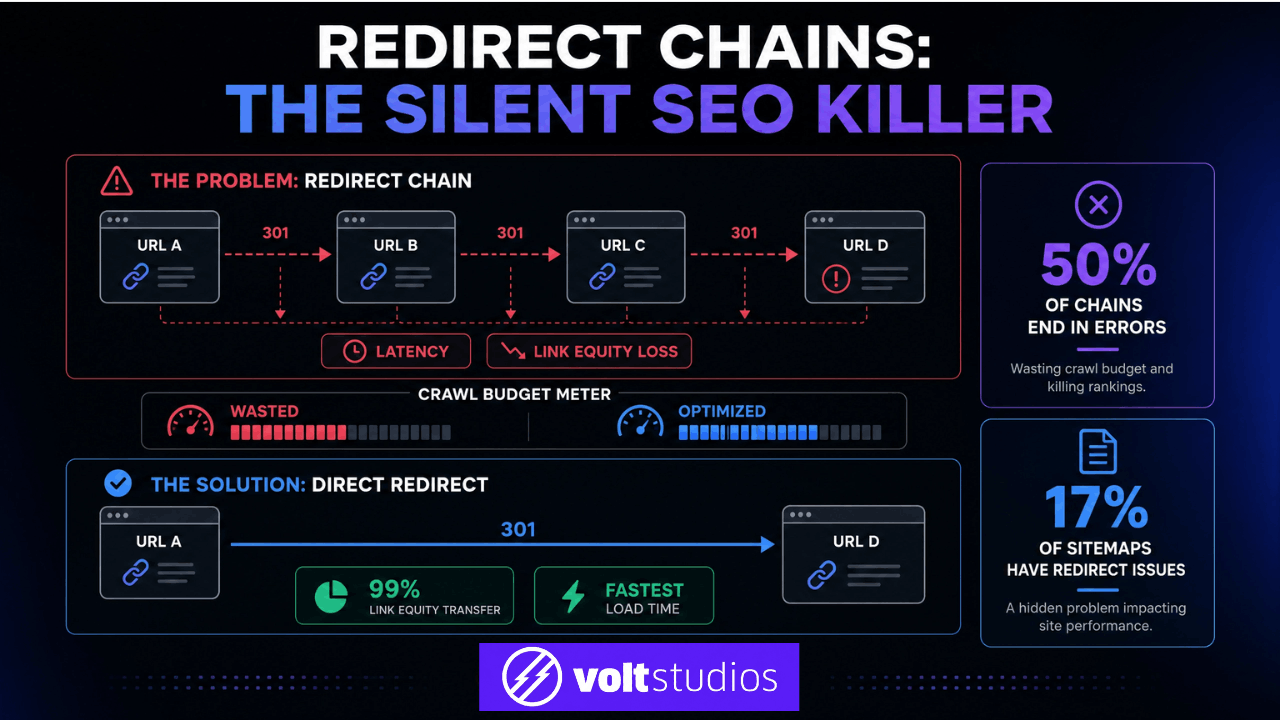
Broken link management and redirect handling matter more than most merchants realize, particularly for stores that regularly add and discontinue products. Every orphaned URL that returns a 404 is crawl budget wasted on a page that delivers nothing. Every discontinued product without a redirect is link equity evaporating.
The Apps We Actually Recommend — and for Whom
For stores just starting out or testing their first SEO app without committing budget, Webrex AI SEO Schema is the most capable free option available. It generates JSON-LD structured data for products, collections, and pages automatically, includes AI-powered schema suggestions, and adds image optimization and Core Web Vitals monitoring in the free tier. That’s functionality competitors charge $20–45 a month for. It’s a legitimate starting point.
For stores that have moved past the starting phase and need comprehensive automation — typically the 100–500 product range where manual meta management has already broken down — Smart SEO is the closest thing to a complete SEO system in a single app.
AI-powered keyword suggestions, automated meta tag generation across products, collections, and blog pages, canonical tag management, and JSON-LD schema in one tool. At a 4.9 rating across 10,000+ reviews, it has earned the reputation.
For a GTA retailer running 500+ SKUs, the automation alone saves 10–15 hours a month that would otherwise go toward repetitive meta writing.
For stores where rich snippets are the primary focus — and in product-heavy verticals like apparel, home goods, and electronics, they should be — Ilana’s JSON-LD for SEO is the specialist option.
It injects clean, validated JSON-LD for products, collections, articles, FAQs, and How-To content, and it includes validation tools that catch schema errors before they become penalties.
At $42 a month it’s the most expensive option in the stack, but for a catalogue where rich snippet appearance rate jumps from 12% to 67% of eligible queries, the return is usually evident within the first month.
For stores that need to audit and fix existing issues rather than build from scratch — post-migration, post-redesign, or simply stores that have never done a technical review — Plug in SEO runs comprehensive audits, fixes common issues automatically, and handles redirect management cleanly. It’s the right first tool for a store with existing technical debt before layering in schema or meta automation.
For large catalogues where bulk operations are non-negotiable, SEO Manager’s template-based bulk editing across meta titles, descriptions, and image alt text is the most efficient solution available on the platform.
How We Think About Stacking These
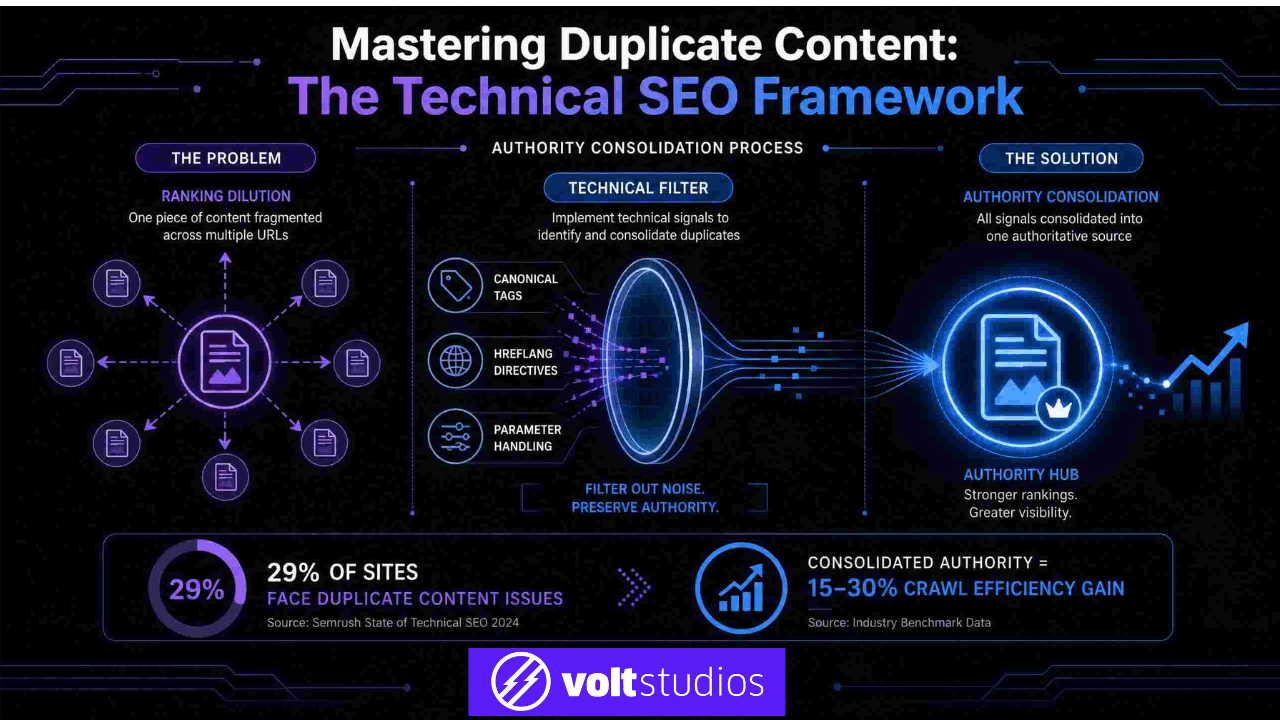
The mistake we see most often isn’t choosing the wrong app — it’s installing too many apps that overlap in function and create conflicts. Two schema apps running simultaneously can generate duplicate structured data that Google treats as an error.
Multiple meta tag managers overwriting each other produce inconsistent output that’s worse than no automation at all.
Our approach: one primary app that handles the broadest surface area for your store size, then specialist tools layered in only where the primary app has documented gaps.
For most GTA merchants, that means Smart SEO or Webrex as the foundation, with Ilana’s JSON-LD added if structured data precision is a priority, and Plug in SEO added if there’s an existing technical debt problem to resolve first.
The stack that works for a 50-product Scarborough boutique is different from the stack that works for a 2,000-product Vaughan wholesale operation. The principle is the same: identify your highest-impact technical gap, find the tool that closes it with the least overhead, and don’t install tools you don’t have a specific reason for.
What Proper Implementation Actually Delivers
One project that illustrates this clearly: a Toronto home goods retailer on Shopify, 400-product catalogue, reasonable traffic, but structured data absent across the entire store and meta titles running generic template values on most product pages.
We implemented JSON-LD for SEO and Smart SEO together, configured the schema correctly across product categories, and rebuilt the meta tag templates with proper keyword targeting.
Within three months: organic traffic up 34%, rich snippet appearance rate climbed from 12% to 67% of eligible queries, organic revenue up 28%. The ad budget hadn’t changed. The product line hadn’t changed. The technical foundation had.
Those results aren’t unusual. They’re what happens consistently when stores close gaps that have been quietly suppressing rankings for months or years without triggering a single visible error.
The Honest Takeaway
The Canadian e-commerce market is growing toward $66.89 billion by 2030. Shopify powers nearly half the stores competing for that market. The technical SEO infrastructure separating the stores capturing that growth from the ones watching it go elsewhere is not mysterious — it’s schema markup, optimized meta tags, fast page loads, and clean crawl architecture. All of it is solvable with the right tools, configured correctly, in the right order.
The stores investing in that infrastructure now are building a compounding advantage. Every month of rich snippet visibility trains Google’s algorithms to trust their structured data. Every month of clean crawl architecture means faster indexation of new products.
The gap between them and stores running default Shopify configurations gets wider every month, without any dramatic signal to indicate it’s happening.
If you want to know exactly which technical gaps are suppressing your Shopify store’s rankings — and which fixes will move revenue fastest — we offer a free Shopify SEO audit for Canadian merchants. We’ll review your current app stack, structured data health, Core Web Vitals, and meta tag architecture, and give you a clear priority order for what to address first.