The three pillars driving local search rankings in 2026, and why most GTA businesses are optimizing for the wrong things.
A potential customer is standing on King Street West, phone in hand, searching for the exact service your business provides. Your storefront is two blocks away. Your website has been live for five years. Your competitor opened eight months ago. They appear first in the Map Pack. You don’t appear at all.
This scenario plays out thousands of times every day across Toronto, Mississauga, Vaughan, Barrie, and Scarborough. And the frustrating part is that most business owners have no idea why it keeps happening — so they keep investing in the wrong things trying to fix it.
72% of people use Google to find local services. 84% of those searches happen on mobile. 88% of local mobile searches lead to a store visit or call within 24 hours.
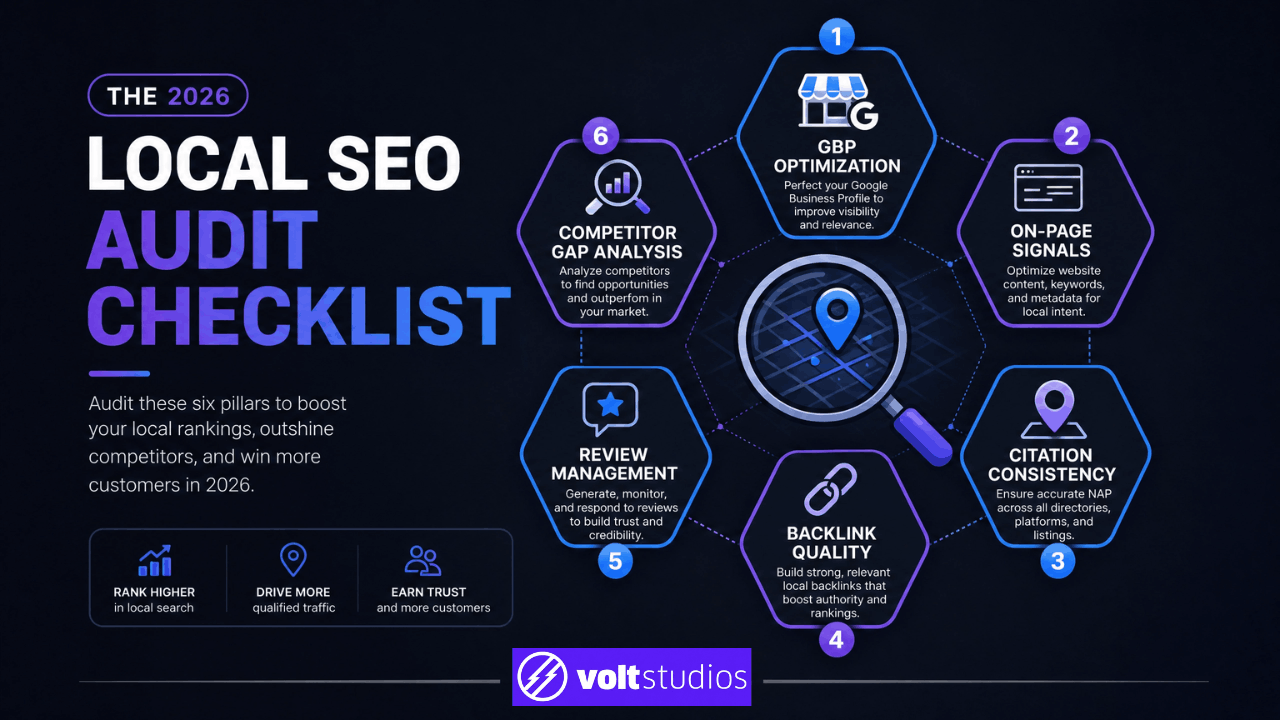
The mechanism determining who captures all of that intent operates on three pillars: Proximity, Relevance, and Prominence. Understanding how they interact is the difference between being found and being invisible.
What Most Businesses Get Wrong Before They Start
The most persistent misconception we encounter is that claiming a Google Business Profile is the work. It isn’t. Claiming is the starting line. Verification gives Google permission to consider your business — it contributes almost nothing to where you actually rank.
What matters is what happens after claiming: profile completeness, category precision, review velocity, posting consistency, and the accumulated trust signals that tell Google this is an active, legitimate business worth surfacing to someone who needs what it offers.
A competitor with an eight-month-old business and an actively managed profile will outrank a five-year-old business with a set-and-forget listing nearly every time. Google is not measuring seniority. It’s measuring current relevance and trustworthiness.
The Three Pillars and What They Actually Require
Proximity is the one factor you can’t fully control. Google uses the physical distance between the searcher and your business as a ranking input — a searcher in North York sees different Map Pack results than a searcher in Oakville, even for identical queries.
But proximity isn’t destiny. You can optimize how Google understands your service area through accurate service area definitions in your GBP, location-specific content on your website, and consistent geographic signals across the web. For service-area businesses operating across multiple GTA municipalities — HVAC contractors, cleaning services, mobile trades — clearly defining where you work is critical to appearing in Map Pack results across your actual operating territory rather than just your immediate address.
Relevance measures how precisely your business matches what the searcher is looking for. This is where category selection matters more than most business owners realize.
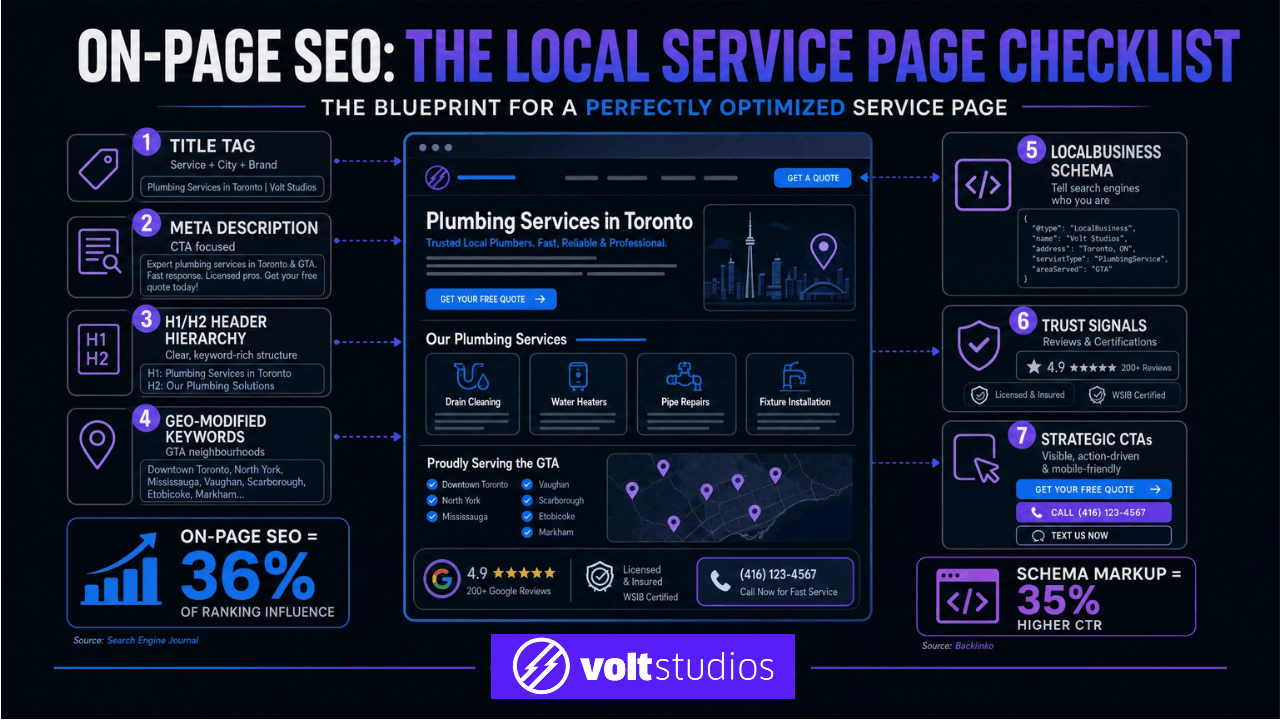
A dental clinic selecting “Dentist” as its primary category will rank for different queries than one selecting “Cosmetic Dentist” or “Emergency Dental Service.” Your service listings, business description, selected attributes, and website content all contribute to the relevance signal — and they must be consistent with each other.
If your GBP claims you offer emergency plumbing services but your website makes no mention of emergency calls, Google detects the disconnect and downgrades your relevance score for those queries. Relevance is not just about having the right information — it’s about having it consistently across every surface Google checks.
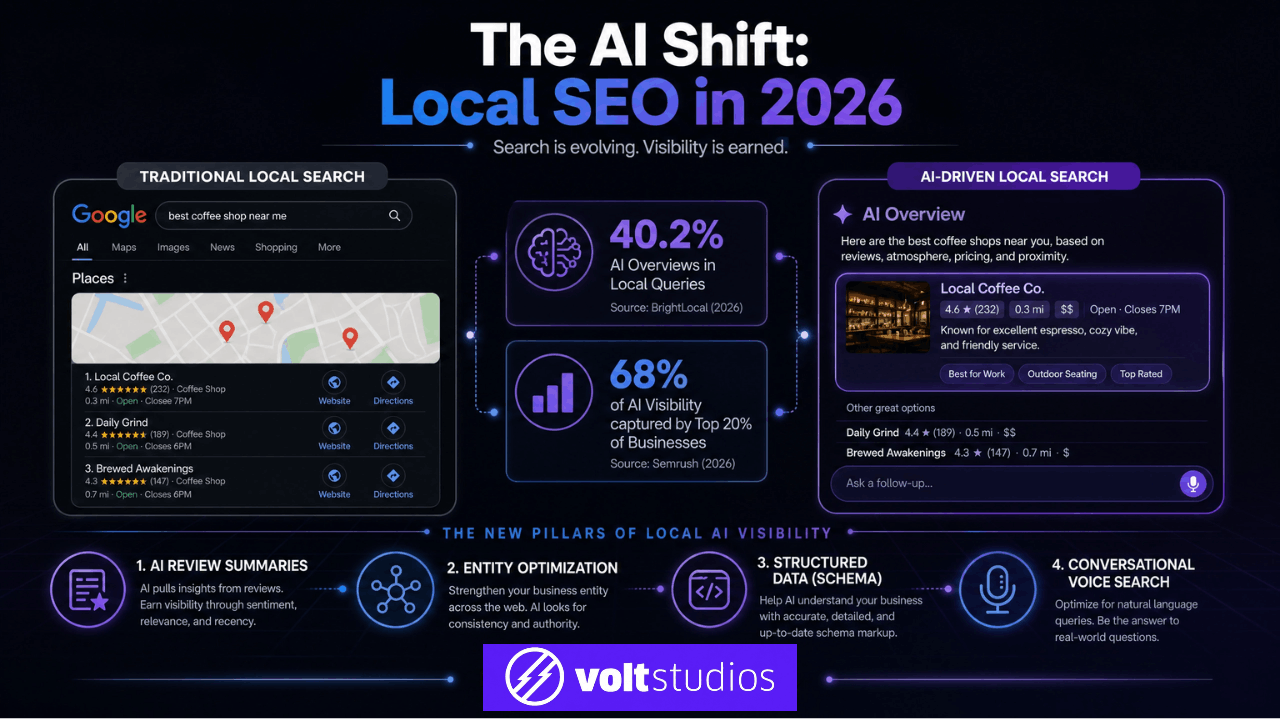
Prominence is where active SEO work generates the most dramatic improvements and where most businesses fall the furthest short. It’s Google’s measure of how well-known and authoritative your business is in the real world — built through reviews, backlinks, citations, brand mentions, and the behavioural signals your GBP generates.
Every time someone clicks to call from your listing, requests directions, or visits your website from the Map Pack, that engagement tells Google your business is relevant and appealing to local searchers.
Prominence is the tiebreaker that allows a business physically farther from the searcher to outrank a closer competitor. It’s also the pillar that compounds most meaningfully over time — the business that has been consistently earning reviews, building local backlinks, and maintaining citation consistency for twelve months has a prominence advantage that a competitor can’t close quickly.
Why These Pillars Work as a System, Not Independently
The mistake we see most often is businesses treating these pillars as separate levers — fixing their GBP completeness but ignoring citation consistency, or generating reviews without addressing the relevance signals that determine which searches those reviews apply to. Proximity without relevance means Google knows where you are but not what you offer precisely enough to match you to high-intent searches.
Relevance without prominence means Google understands your offering but doesn’t trust you enough to surface you over competitors with stronger authority signals. Prominence without proximity and relevance means Google sees you as credible but can’t confidently connect you to the right searches in the right areas.
The businesses occupying the top three Map Pack positions in competitive GTA markets have earned all three simultaneously. They’ve defined their service areas accurately, selected precise categories and built website content that matches, and systematically accumulated the review velocity, citation consistency, and local backlinks that build genuine local authority. None of those businesses got there by accident.
The Compounding Logic
A business that opened eight months ago and actively managed all three pillars from launch can outrank a business that’s been operating for five years and treated local SEO as something that would sort itself out.
That’s not an injustice in Google’s algorithm — it’s the algorithm working correctly. Google is trying to surface the most relevant, trustworthy, locally authoritative result for the searcher. The newer business that’s demonstrated ongoing relevance and built genuine local trust signals has given Google more recent evidence to work with.
The opportunity in this is significant for any established GTA business that hasn’t taken the three pillars seriously. The foundational trust of years in operation, existing customer relationships, and accumulated reviews doesn’t disappear — it just needs to be activated through the right technical and strategic work. That activation is almost always faster and less expensive than starting from scratch.
If you want to know exactly where your business stands across all three pillars — and what the highest-priority work is to close the gap between where you are and where the businesses currently ranking above you have gotten to — we offer a free local SEO audit for GTA businesses.
We’ll review your service area configuration, category and relevance signals, and prominence profile, and give you a clear action plan for what to address first.